AI vs Traditional PM Tools: What's the Difference?

Product managers have never had a shortage of tools. From Jira to Confluence, Notion to Aha!, the PM toolkit has grown steadily over the past decade. But a new category is emerging — AI-native PM tools — and they're not just faster versions of what came before. They represent a fundamentally different way of working. So what separates AI PM tools from traditional ones, and why does it matter?
Traditional PM Tools: Powerful but Passive
Traditional PM tools are excellent at organizing information. They let you create tickets, build roadmaps, track sprints, and document decisions. The best ones integrate with your engineering and design tools, giving everyone a single source of truth.
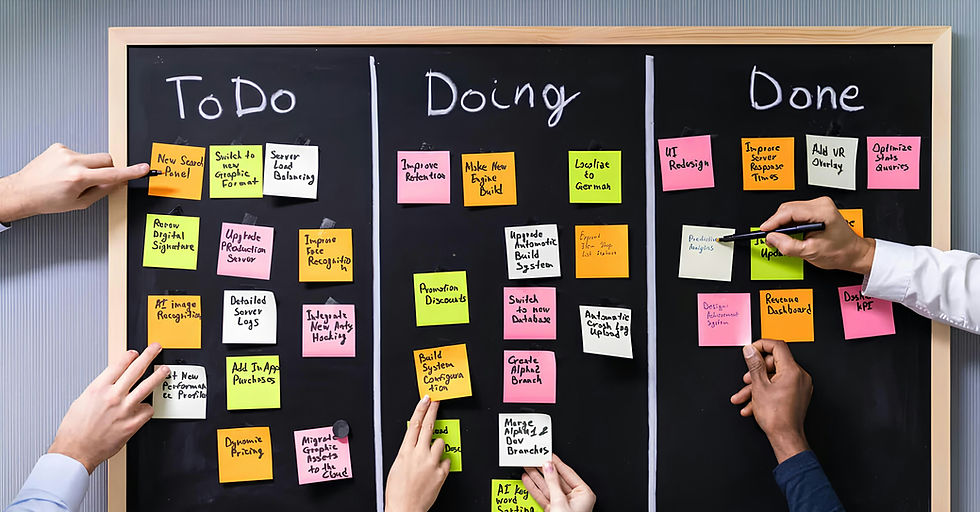
But here's the catch: they're passive. They do what you tell them. You write the user story. You estimate the effort. You decide what goes in the sprint. You schedule the stakeholder update. The tool is a container — it holds your work, but it doesn't do the thinking.
This isn't a criticism; it's just the reality of how these tools were designed. In a world where PMs had the time to do all this work, they were more than adequate. In today's environment — faster release cycles, distributed teams, more data than any one person can process — "adequate" isn't enough.
What AI PM Tools Actually Do Differently
AI-native PM tools shift the model from "store and display" to "analyze and act." They don't just hold your backlog — they read it, learn from it, and make recommendations. The difference shows up in a few key areas:
Synthesis over storage. Traditional tools aggregate data. AI tools interpret it. Feed an AI PM tool a pile of customer feedback, support tickets, and NPS scores, and it won't just file them — it'll surface patterns, flag emerging themes, and suggest which issues to prioritize based on impact and frequency.
Generation over templates. Writing a PRD used to mean starting from a template and filling in the blanks. AI tools can draft the entire document from a brief, pulling in relevant context from your existing roadmap, team discussions, and customer data. You edit; the AI drafts.
Prediction over tracking. Traditional tools tell you where things are. AI tools help you anticipate where they're going. Velocity trends, churn signals, dependency risks — AI can surface these before they become blockers, not after.
Where NavoPM Fits In
NavoPM was built on the premise that PMs shouldn't spend the majority of their time on coordination and documentation — they should spend it on strategy and judgment.
The platform uses AI agents to handle the repetitive-but-important work: auto-generating user stories from feature briefs, summarizing standups into decision logs, drafting stakeholder updates, and keeping the backlog prioritized based on real-time input. It integrates with tools your team already uses — Jira, Slack, Notion — so the AI operates inside your existing workflow rather than forcing you to rebuild it.
The result isn't that PMs do less work. It's that the work shifts to higher-leverage activities: talking to customers, making hard tradeoffs, aligning the organization around strategy. The administrative layer shrinks; the strategic layer expands.
The Practical Tradeoffs
AI tools aren't without their limitations, and PMs evaluating them should go in clear-eyed.