Real-World Results: Teams Using AI for Product Work

AI in product management sounds great on paper. But what actually happens when teams adopt it? The gap between vendor promises and on-the-ground reality is where most PMs live—and it's where the real story is. Here's what teams are actually seeing when they put AI agents to work on product workflows.
Faster Spec Writing Without Sacrificing Quality
One of the first places AI delivers measurable ROI is documentation. PMs consistently report that writing PRDs, user stories, and technical specs is one of the most time-consuming parts of the job—not because it's intellectually hard, but because it's repetitive and detail-intensive.
Teams using AI to draft specs report cutting first-draft time by 50–70%. More importantly, AI catches gaps that humans miss under deadline pressure: missing edge cases, undefined acceptance criteria, unclear stakeholder requirements. A PM at a mid-size SaaS company described it this way: "I used to spend three hours on a PRD. Now I spend 45 minutes reviewing and refining what the AI drafted. The quality is actually higher because I'm in editor mode, not writer mode."
The key shift is cognitive: reviewing and improving is faster and more accurate than creating from scratch.
Backlog Triage at Scale
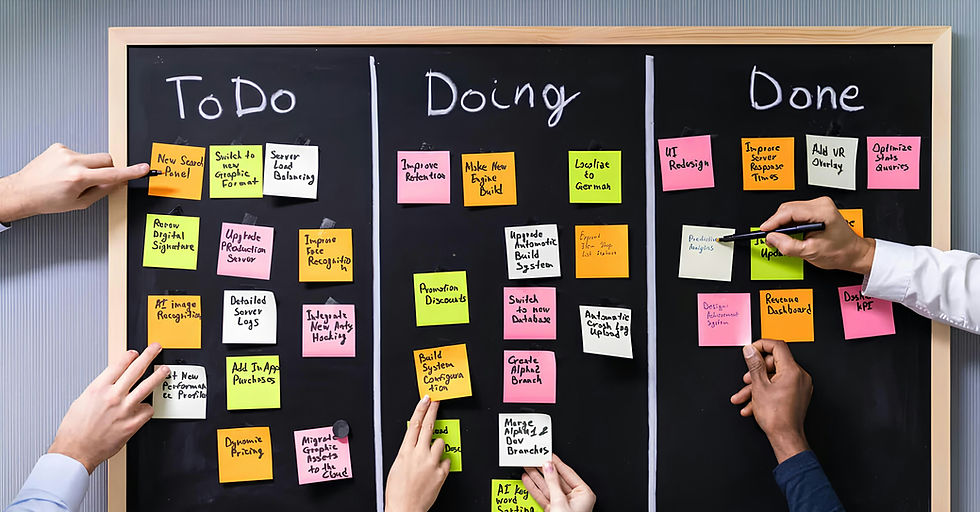
Growing backlogs are a universal PM problem. Features pile up. Customer feedback arrives in multiple channels. Engineering capacity is finite. Manual prioritization frameworks—RICE, MoSCoW, ICE—help, but applying them consistently across 200+ backlog items is exhausting and often inconsistent.
AI agents can ingest your backlog, tag items by theme, map them against your current OKRs, and surface prioritization recommendations with rationale attached. Teams that have implemented this report reclaiming 3–5 hours per week on backlog grooming—and more consistent prioritization decisions across quarters.
NavoPM’s auto-prioritization engine does exactly this. It connects to your existing tools (Jira, Linear, Notion), reads your strategic goals, and ranks your backlog dynamically as priorities shift. PMs who’ve adopted it say the biggest win isn’t speed—it’s the reduction in backlog anxiety. When the list is always sorted by what matters most, you stop second-guessing
Stakeholder Communication Without the Overhead
Status updates, meeting prep, and stakeholder summaries eat disproportionate PM time. These tasks are important—alignment is core to shipping good products—but generating a weekly summary of sprint progress shouldn’t take 90 minutes.
AI agents trained on your sprint data and meeting notes can generate accurate, readable status summaries in under a minute. Several teams have moved to AI-drafted weekly digests that are reviewed and sent by the PM rather than written from scratch. The feedback from stakeholders? They often can’t tell the difference—and sometimes prefer the AI-generated versions because they’re more consistent and structured.
One product lead at a logistics company cut her weekly reporting time from four hours to under one. The time went back into customer interviews and roadmap thinking—work that actually requires a human.
Roadmap Alignment Happens Faster
Roadmap reviews are high-stakes meetings. They require synthesizing engineering capacity, business priorities, customer feedback, and competitive context—all at once. PMs spend days preparing.
Teams using AI to support roadmap preparation report entering these conversations better equipped and with less prep time. AI can pull together competitive signals, summarize customer feedback themes, model capacity scenarios, and generate talking-point briefs—all before the PM sits down to build the deck.
The result isn’t just time saved. It’s better decisions. When you walk into a roadmap review with AI-synthesized data rather than manually assembled spreadsheets, you’re less likely to miss something important.
What the Numbers Actually Look Like
Across teams that have meaningfully adopted AI in their PM workflows, a few patterns emerge consistently:
• 30–50% reduction in time spent on documentation and reporting
• 20–40% improvement in backlog consistency scores (teams that measure this)
• Faster onboarding for new PMs, who can ramp up using AI-generated context about products and decisions
• Higher stakeholder satisfaction with communication frequency and quality
None of these are silver bullets. AI doesn’t replace the judgment calls, the customer empathy, or the organizational navigation that makes great PMs effective. But it removes a large chunk of the mechanical overhead that keeps PMs from doing that higher-value work.